Houston rehab facilities
SAMHSA listings show 64 Houston rehab facilities in 2026. Of those, 13 offer medical detox and 59 provide outpatient care. The 24/7 helpline is free and staffed by advisors who connect callers with licensed providers.
- facilities listed
- 64
- detox available
- 13
- Medicaid accepted
- 39
Overdose data for Houston
CDC provisional counts show Houston overdose deaths from all drugs reached 4,372 across the 12 months ending May 2026 6 percent drop from the period before. Fentanyl deaths declined 15 percent to 1,281, opioids dropped 10 percent to 1,830 and heroin fell 20 percent to 193. Cocaine deaths stayed roughly flat at 1,388. The decline suggests more people are surviving a crisis, yet thousands of families still lost someone in under a year.
Methamphetamine deaths fell 10 percent to 1,809, and prescription opioid deaths dropped 5 percent to 446. Locally, the numbers mean naloxone and treatment access deserve steady attention rather than panic. If someone in your household uses opioids, then having naloxone on hand and knowing a nearby program could make the next hour safer. Houston drug rehab centers can answer what the local numbers cannot, which is what helps one person today.
| Drug | Past year | Prior year | Difference |
|---|---|---|---|
| Total overdose fatalities | 4,372 | 4,640 | -6% |
| Any opioid | 1,830 | 2,035 | -10% |
| Synthetic opioids, incl. fentanyl | 1,281 | 1,512 | -15% |
| Heroin | 193 | 240 | -20% |
| Opioids prescribed by a clinician | 446 | 470 | -5% |
| Methamphetamine | 1,809 | 2,008 | -10% |
| Cocaine | 1,388 | 1,392 | 0% |
CDC provisional figures, 12 months ending May 2026. Recent months can go up as reports arrive.
Commonly viewed facilities in Houston
-
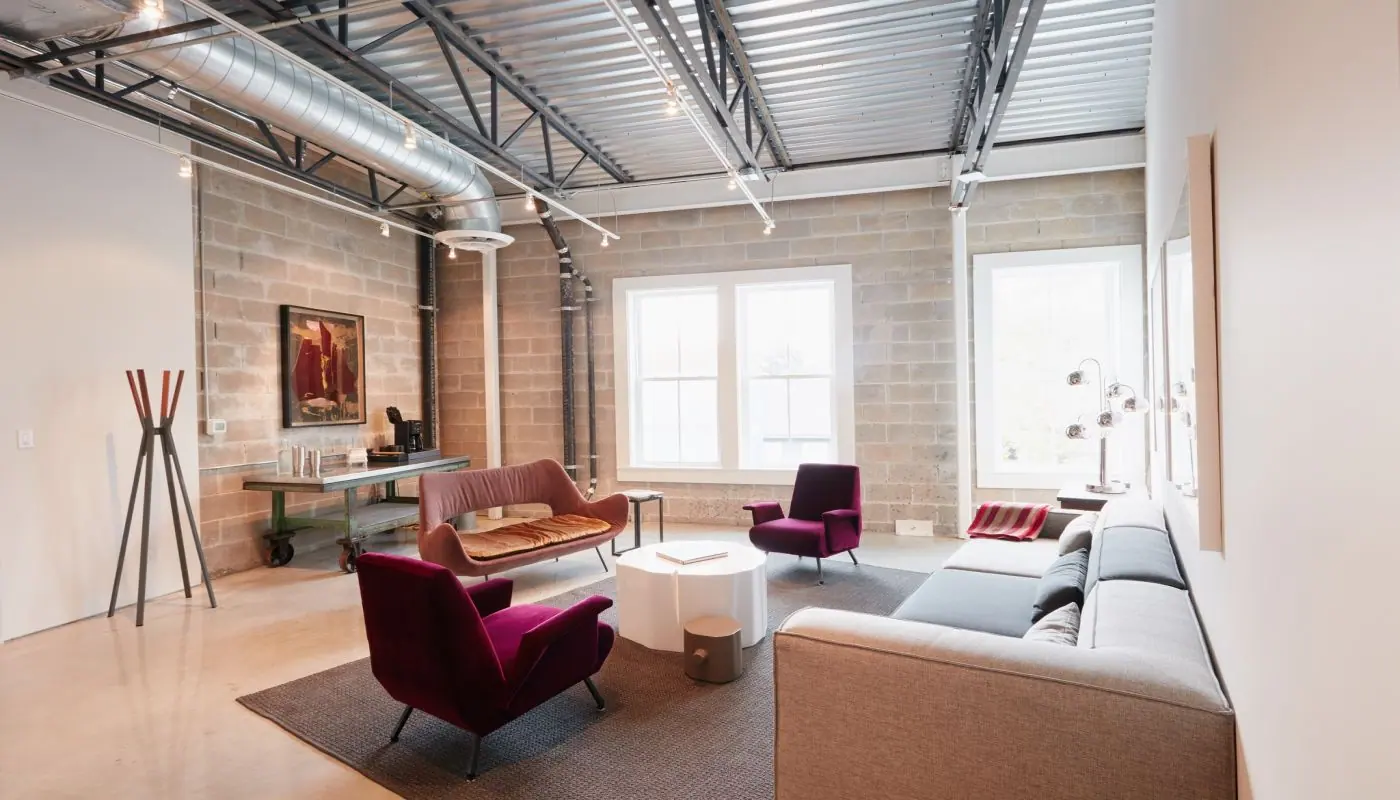
Elysian Treatment
Houston, TX30 days · 31-50 beds
- Co-Occurring Mental Health
- Outpatient
Located in the Heights neighborhood of Houston, Elysian Treatment is an outpatient facility.
Open facility -
- Joint Commission
- Residential Rehab
- Detox
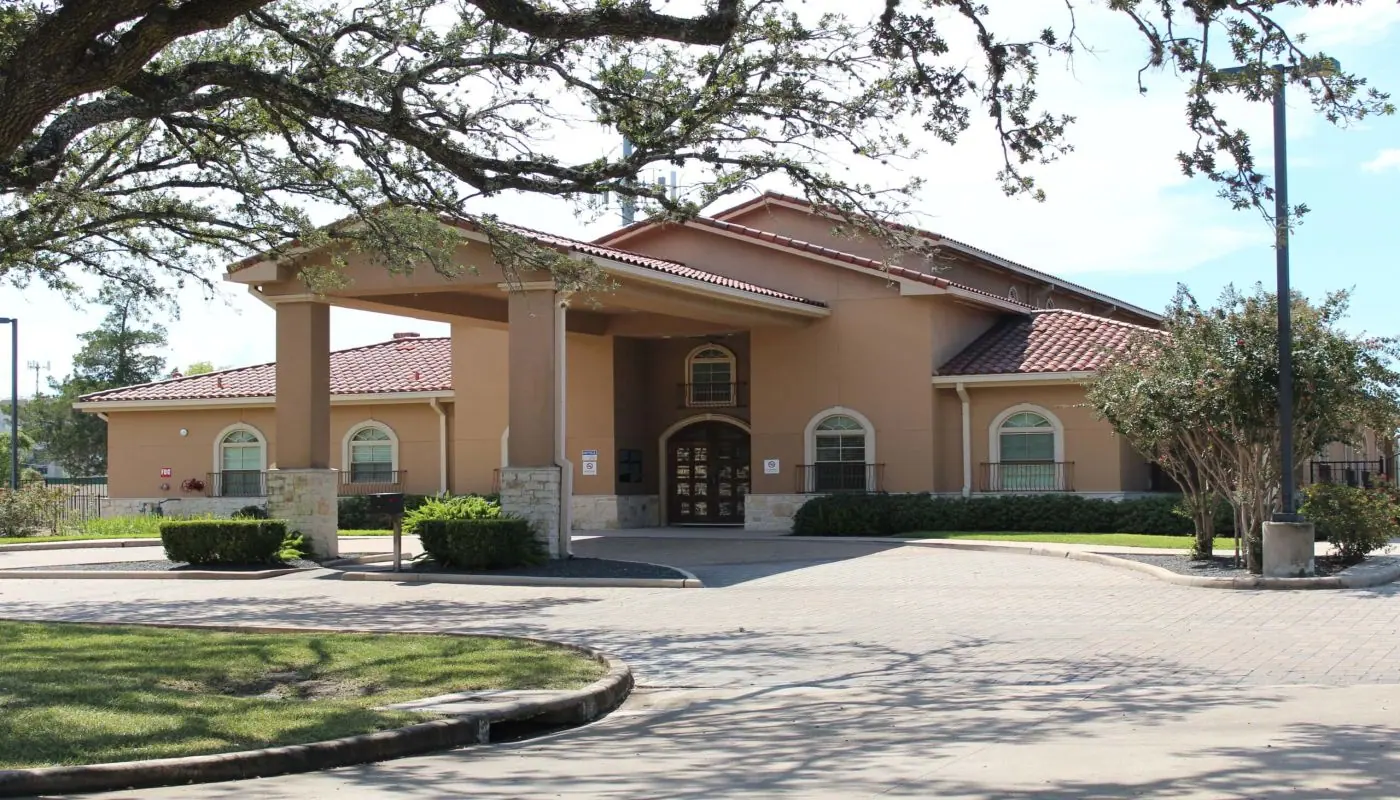
Virtue Recovery Houston is a Joint Commission accredited center on S Gessner Rd.
Open facility -
- Co-Occurring Mental Health
- Detox
- Outpatient
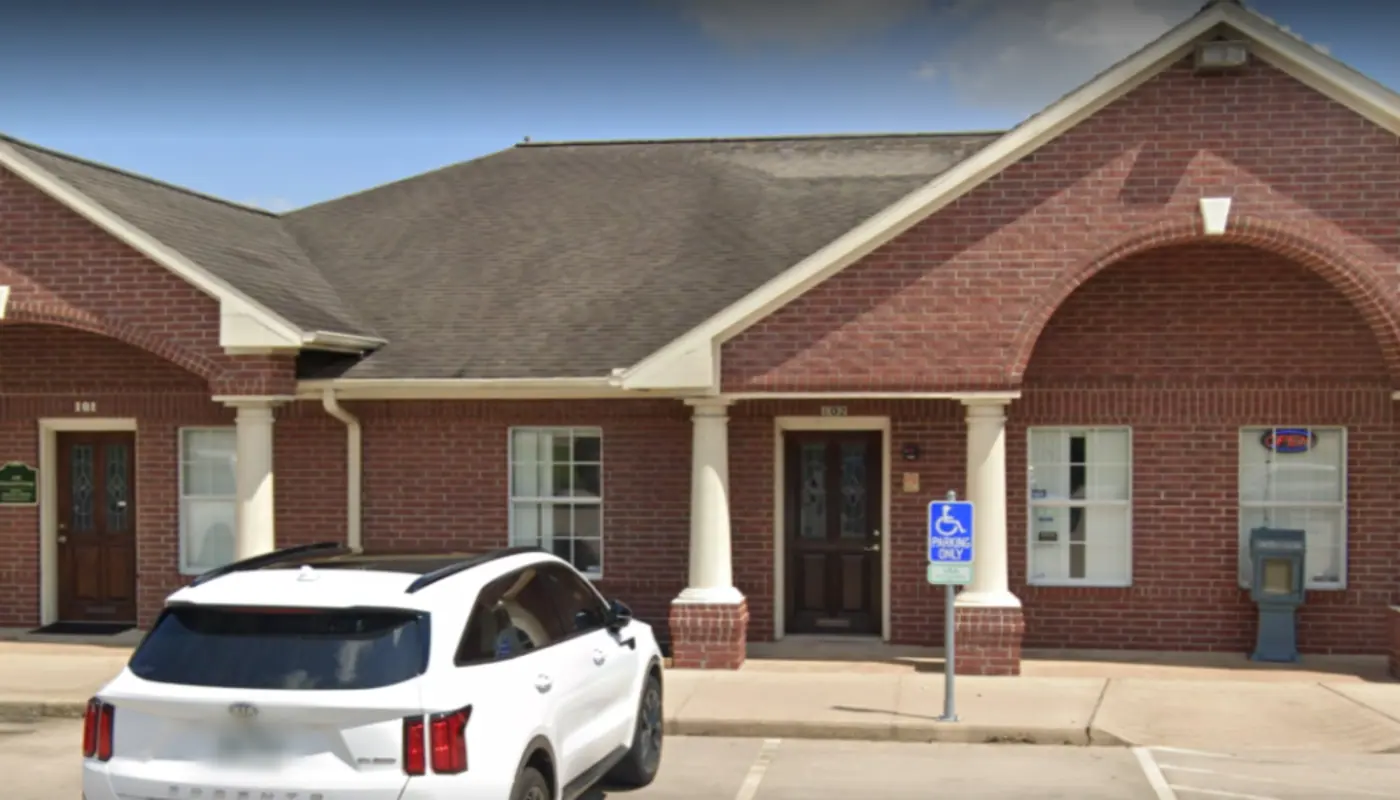
Bay Area Recovery Center Pasadena is an outpatient program on Fairmont Parkway.
Open facility -
- Co-Occurring Mental Health
- Detox
- Outpatient
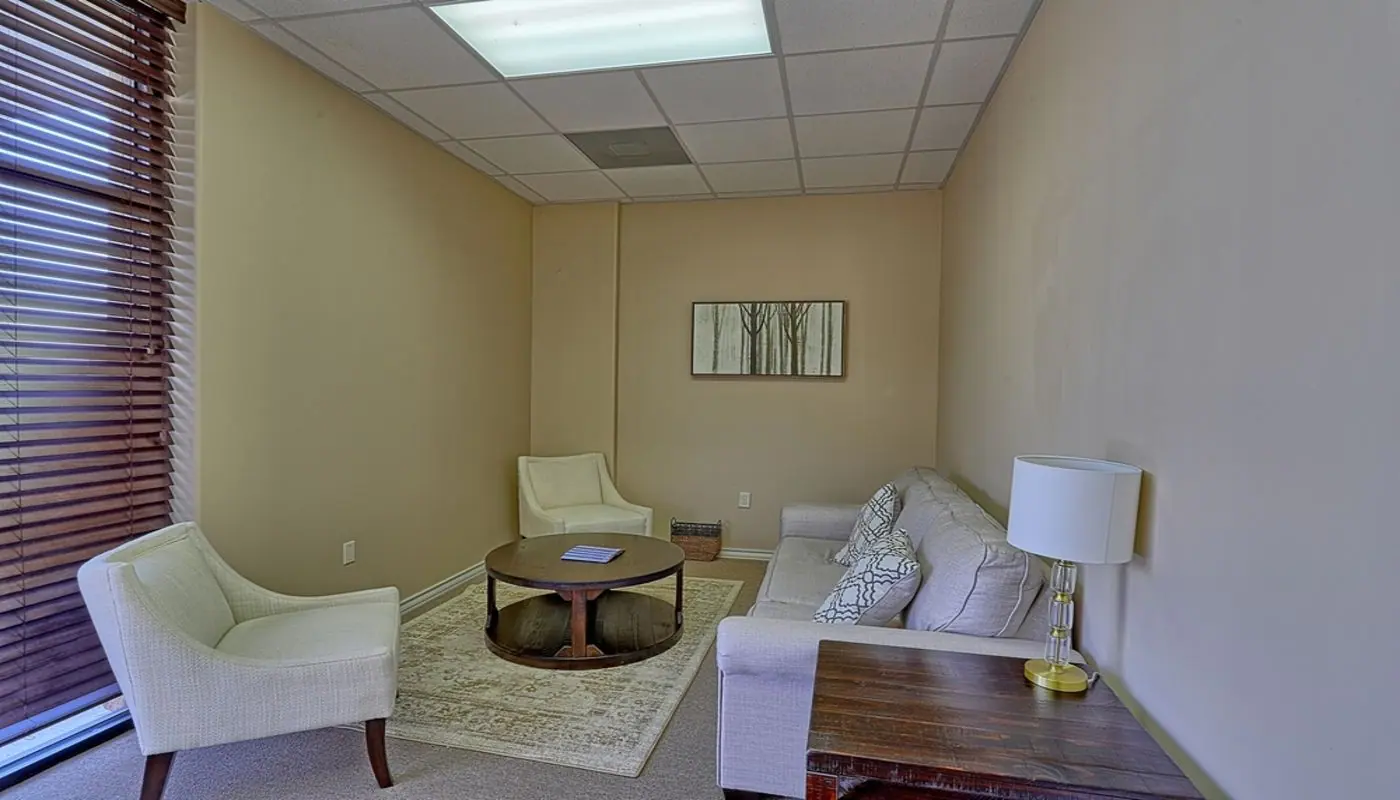
This Bay Area Recovery Center Central Houston page covers a Texas outpatient program open since 1992.
Open facility -
- Joint Commission
- Outpatient
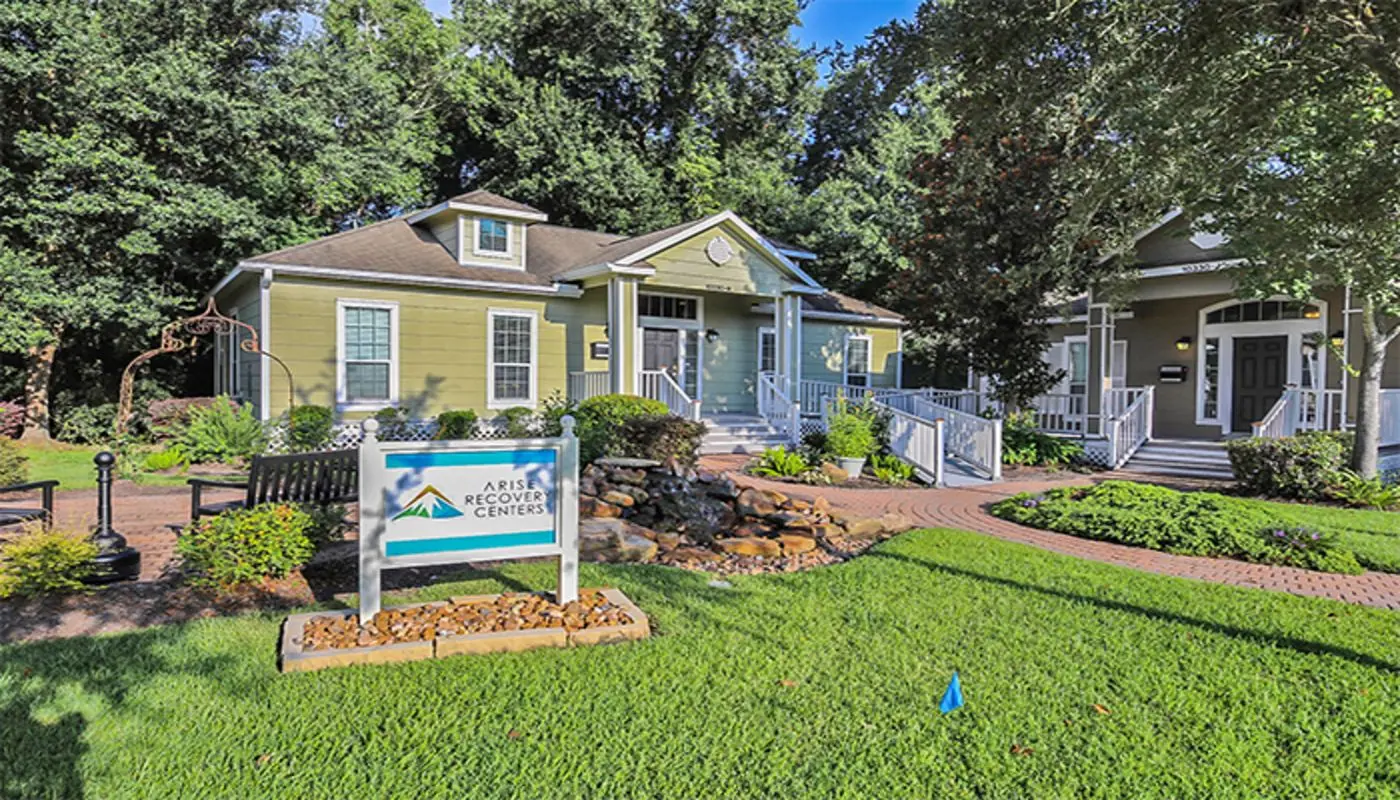
Arise Recovery Centers Houston runs outpatient care from Cypress.
Open facility -

- Joint Commission
- Co-Occurring Mental Health
- Outpatient
In Katy, Texas, Oceans Behavioral Hospital Katy offers outpatient mental health care.
Open facility -
- Outpatient
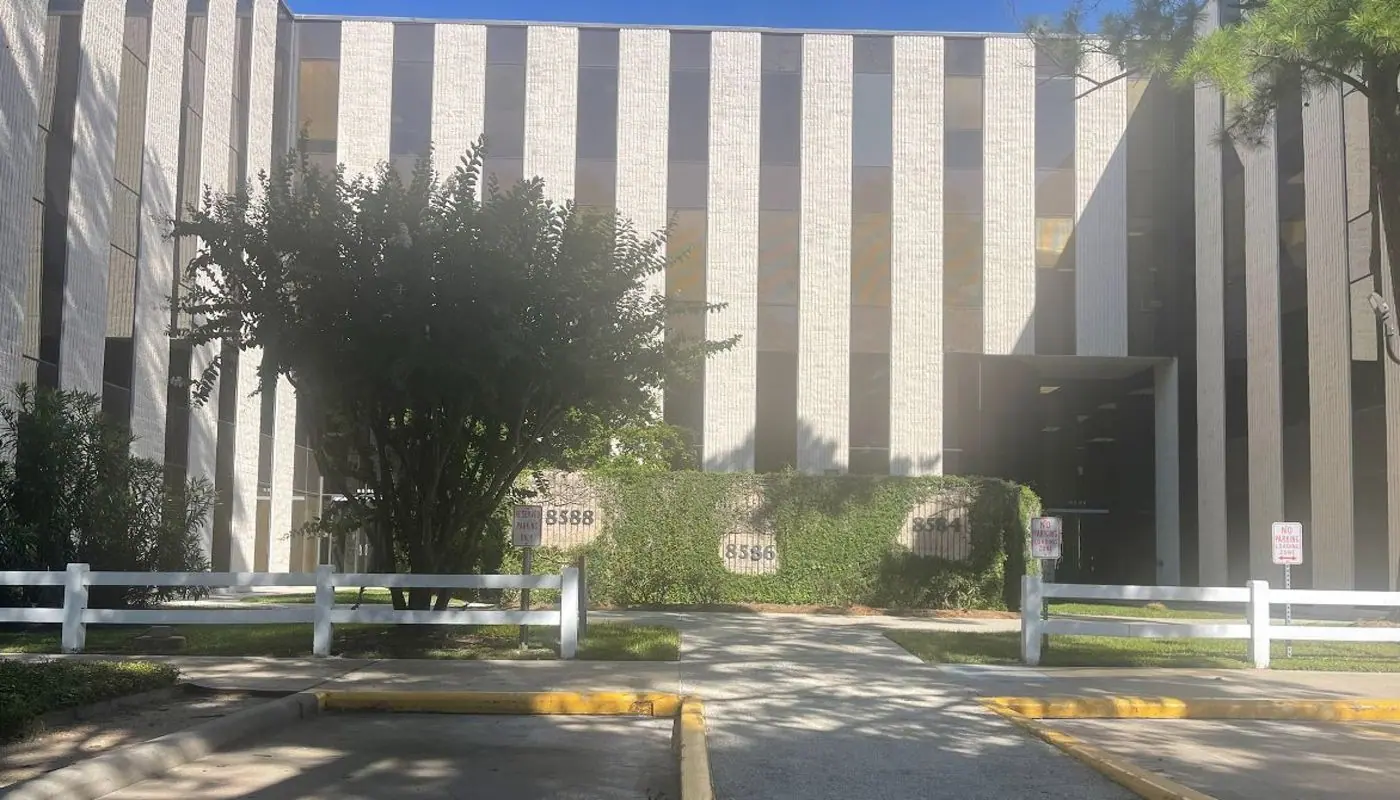
This is an outpatient mental health and addiction clinic on Katy Freeway in Houston.
Open facility -
- Residential Rehab
- Detox
- Outpatient
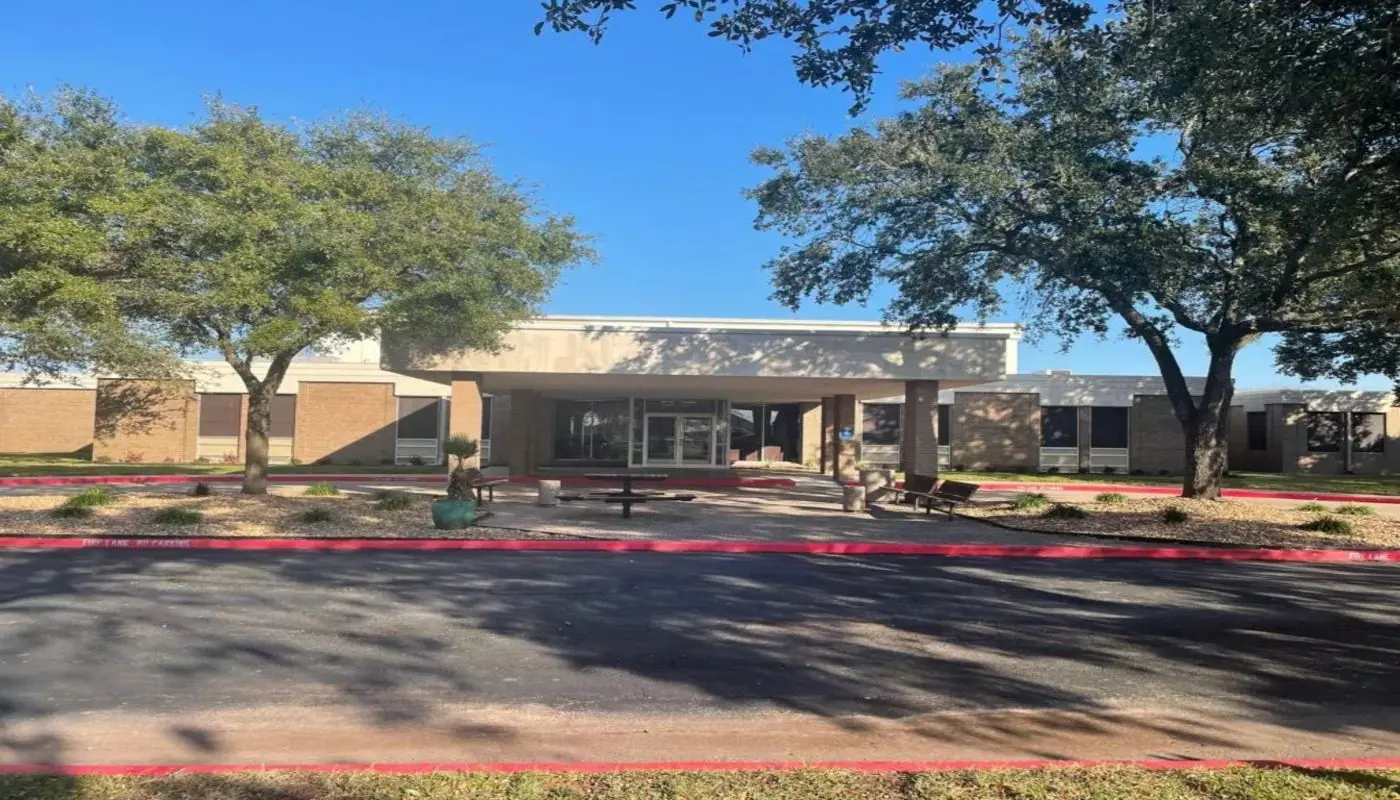
Cenikor Foundation Houston in Deer Park is a Deer Park substance use treatment center.
Open facility

Rehab programs across Harris County
Rehab programs in Houston spread across the city and its surrounding counties, and the SAMHSA listings cover a 25-mile radius that includes 64 facilities. That reach matters in a city this wide: a center on the east side can be an hour from Katy, and schedule and transport decisions often shape which programs are realistic. When a person calls, an advisor asks about location and commute so the options discussed stay workable for daily groups, medications and follow-ups rather than forcing a move across town.

Houston rehab facilities levels of care
Houston rehab facilities listed through SAMHSA cover the full range of care levels, from 13 programs providing medical detox to 59 with outpatient services. The right level depends on withdrawal risk, prior treatment and how much structure a person needs each week. Medical detox handles the first days; inpatient and residential care build routines away from triggers; intensive outpatient lets someone keep a job while attending several sessions a week; and standard outpatient supports ongoing recovery and medication management.
The most common level is outpatient, with 59 Houston TX rehab centers listed. Between the two ends sit partial hospitalization, with 11 programs, and intensive outpatient, with 42. Thirteen detox programs and nine residential facilities serve the Houston area within 25 miles. An advisor asks about substance, symptoms and schedule on a free call, then explains which levels match what the person describes. No one promises a placement, but the list helps narrow the field.

Rehab in Houston by substance
The most common search is alcohol rehab in Houston, and listings show 19 programs that offer medications for alcohol use disorder, including naltrexone or acamprosate. Someone who drinks heavily may be at risk while withdrawing, so a clinician should be involved; alcohol withdrawal can be serious, and stopping abruptly without clinical advice is unsafe. These programs also address opioids, with 26 offering buprenorphine and 11 running methadone clinics, as well as methamphetamine, cocaine and benzodiazepines; seven listed programs provide detox for those substances.
Quitting benzodiazepines can be risky without clinical care, so a supervised setting matters, and an advisor may ask whether a hospital or a detox program is the better place to begin. Someone facing both a mental health condition together with a substance use problem can ask about dual diagnosis care at Houston rehab centers. No listing confirms that any single facility runs a dual diagnosis program. If medication is part of the plan, an advisor can explain how to check whether a program provides it.

What happens on the Houston helpline
The 24/7 line is answered by treatment advisors rather than clinicians, at no charge, and anything you share stays private. An advisor asks what substance is involved, how long it has been a concern, whether withdrawal symptoms are present, and whether there is insurance or another way to pay. The aim is matching the person with licensed providers using those answers, not selling a particular program.
When someone describes withdrawal from alcohol or benzodiazepines, an advisor may recommend medical evaluation first, because quitting abruptly can be dangerous. The call costs nothing and puts no one under obligation; the person can keep the information and choose later. Dialing the Houston rehab helpline creates no patient relationship and pledges no admission. In an active crisis, call or text 988.
Cost and insurance in Houston rehab
Cost is often the first question, and Houston rehab centers listed through SAMHSA show 57 accepting self-pay, 42 accepting private insurance and 39 accepting Medicaid. Texas has not adopted Medicaid expansion, so adults generally qualify only through narrow categories such as pregnancy or disability. The 38 programs backed by a federal block grant, the 26 offering sliding fees and the 3 listing no fee at all are worth asking about directly when price is the obstacle. Insurance goes by plan network, so a listed facility may or may not be in yours.
Thirty-nine Houston rehab facilities accept Medicaid, and 26 offer reduced fees. Under the federal parity law, covered behavioral health benefits must be handled comparably to medical benefits, which may matter when a plan denies care. A licensed facility that accepts insurance could cost less than assumed, so call and verify before you rule it out. When an insurer says a level is not covered, the person can request the denial in writing and ask for a clinical review. Prices vary by program, so an advisor can help compare listed options but cannot quote a final bill.
- Medicaid accepted
- 39
- private insurance accepted
- 42
- Medicare accepted
- 27
- sliding fee available
- 26
How the Houston helpline answers calls
Call the free line at any hour
Call 1-800-662-4357 on the SAMHSA National Helpline for referral information, or use our 24/7 helpline. The call is free and confidential, and advisors ask what prompted you to reach out.
Describe the substance and symptoms
The advisor asks about substances used, length of use, and withdrawal symptoms. For alcohol and benzodiazepines, a supervised medical assessment may be part of the recommendation. This is general information, not a diagnosis.
Discuss payment and coverage
You talk about insurance in your plan network, Medicaid, or self-payment and any discounted fees. An advisor explains how to verify a program's cost directly. Nothing is promised until the provider confirms.
Review options and decide
You get a short list of licensed providers that match your needs. The service is free to call, and there is no obligation. You decide whether to contact a facility.
Common questions
Where can I find free rehab in Houston?
The 64 Houston rehab facilities in the SAMHSA listings include 3 that accept no payment. Also worth checking: 38 programs backed by a federal block grant, 26 that offer discounted fees, and 39 that accept Medicaid. Availability changes, so an advisor can help confirm which openings exist on the day you call.
How long do people stay in Houston rehab facilities?
Length of stay varies by level of care and is set by the provider after an assessment. Across the 64 Houston rehab facilities in the listings, 13 offer detox, 9 offer residential care, 11 offer partial hospitalization, and 42 offer intensive outpatient. No single length applies to everyone, so ask each program directly about typical schedules.
Who pays for a rehab facility in Houston?
Private insurance is accepted at 42 of the 64 listed Houston rehab facilities, Medicaid at 39, Medicare at 27, and TRICARE at 18. State insurance is accepted at 21, and 57 take self-pay. Texas has not expanded Medicaid, so adult eligibility is limited. A free call can clarify which payment routes may fit.
Do you have to qualify for rehab?
Licensed programs typically assess each person to recommend a level of care, and some have criteria for specific services. In the SAMHSA listings for the Houston area, 59 facilities offer outpatient care, which is often the easiest to enter, while 13 offer detox and 9 offer residential care. An advisor can explain what each program asks for before you call.
What are the different types of rehab programs?
The main levels run from medical detox and residential or inpatient care to partial hospitalization, intensive outpatient, and standard outpatient treatment. Houston listings include 13 facilities with detox, 9 with residential care, 11 with partial hospitalization, 42 with intensive outpatient, and 59 with outpatient care. Matching a level to withdrawal risk and daily obligations counts for more than choosing the strictest option.
Does Houston have alcohol rehab and medications for alcohol use disorder?
Yes. Listings show 19 Houston-area facilities that offer medications for alcohol use disorder, such as naltrexone or acamprosate, alongside counseling. Alcohol withdrawal can be dangerous and may need a clinician's oversight, so someone who drinks heavily should get clinical guidance before stopping. A call at no cost can help sort out the choices.
Consult a recovery counselor
The 24/7 helpline costs nothing and can answer questions about Houston rehab facilities, levels of care, and payment options. Advisors keep the call private, and nobody is obligated to enter treatment.