Overdose deaths Houston numbers
Overdose deaths in Houston declined, according to the latest federal count. The CDC recorded 4,372 deaths for the 12 months ending May 2026 a 6 percent decrease. These numbers are for the Houston area and are based on provisional data.
- 12-month overdose fatalities
- 4,372
- compared with the prior year
- -6%
- sites show how to use naloxone
- 50
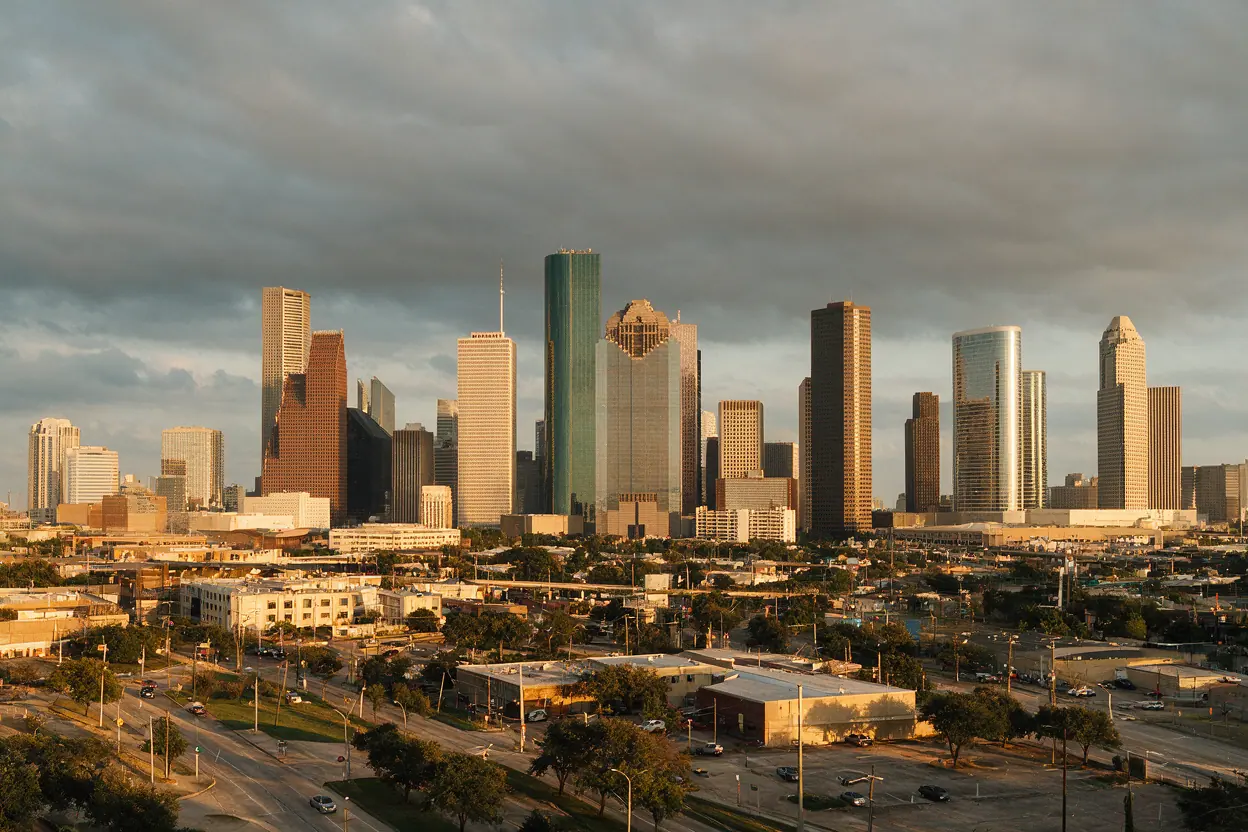
This page gathers the most recent overdose figures available for the Houston area and puts them beside local treatment capacity listed by SAMHSA FindTreatment.gov. The count covers the 12 months ending May 2026 and includes all drug overdose deaths, both intentional and unintentional, as recorded on death certificates. It is provisional, which means numbers can change slightly as investigations close.
The picture is not uniform. Some drugs are driving fewer deaths than a year ago; others are nearly unchanged. Below, the totals are broken out by drug, followed by what the numbers mean for anyone weighing treatment for themselves or someone they care about.
Overdose deaths now versus a year
Drug overdose deaths across the Houston area came to 4,372 in the 12 months ending May 2026, 6 percent lower than 4,640 in the preceding 12-month period. That amounts to 268 fewer deaths. The trend echoes reports from many large counties since 2024, though how fast things improve differs by location and by substance.
Provisional counts like these are a signal, not a final tally. If you are looking at treatment options, the decline does not change the fact that thousands of families in the Houston area are still losing someone each year. The 4,372 overdose deaths Houston recorded in 12 months remain a public health emergency for the city and surrounding counties. Local rehabs and outpatient programs are still the main point of contact for people who want to stop using.
- past year
- 4,372
- the 12 months before
- 4,640
Houston health snapshot
Percentage of adults in Houston versus Texas, per the CDC PLACES estimates (2023).
| Figure | Houston | Texas |
|---|---|---|
| Binge drinking | 16.7% | 17.0% |
| Frequent mental distress | 17.1% | 17.3% |
| Depression | 19.9% | 21.5% |
| Current smoking | 13.6% | 12.7% |
| Without health insurance (ages 18-64) | 24.0% | 20.6% |
Source: CDC PLACES; crude adult prevalence, with the state rate weighted by population across the places listed.
What the data says about treatment
A falling count does not mean any single person's risk has fallen. If you or someone you know is using opioids, meth, or cocaine, then the local treatment system is the practical next call, not the trend line. SAMHSA-listed facilities in the Houston area include 13 offering detox, 9 residential programs, and 59 outpatient sites. Houston treatment centers listed by SAMHSA include 42 offering intensive outpatient care and 51 with telehealth for people who cannot attend in person. Medication options are also listed: 26 facilities offer buprenorphine, 11 offer methadone through an opioid treatment program, and 19 offer medications for alcohol use disorder.
Naloxone can reverse an opioid overdose, and 50 programs in the area listed on SAMHSA's directory make it available. If someone you care about is at risk, having naloxone nearby and knowing how to administer it is a practical action that does not depend on that person consenting to care beforehand. Sudden cessation is risky for anyone who regularly drinks alcohol or uses benzodiazepines, so clinical supervision should guide the process; a supervised detox setting is safer than attempting a taper without help.

Overdose deaths by drug in Houston
Opioids were implicated in 1,830 deaths over the 12 months ending May 2026, 10 percent below 2,035. Fentanyl was involved in 1,281 of them, a 15 percent decrease from 1,512. Heroin deaths dropped to 193 from 240, and prescription opioids were connected to 446 deaths, 5 percent less. Methamphetamine was involved in 1,809 deaths, down 10 percent from 2,008. Cocaine was involved in 1,388 deaths, essentially flat from 1,392 a year earlier. Cocaine deaths did not fall while opioid and meth deaths did, so treatment for stimulant use remains just as urgent in Houston as it was a year ago. Deaths often involve more than one substance, so the drug-specific figures do not add up to the all-drug total.
| Drug | Past year | Prior year | Difference |
|---|---|---|---|
| Total overdose fatalities | 4,372 | 4,640 | -6% |
| Any opioid | 1,830 | 2,035 | -10% |
| Synthetic opioids, incl. fentanyl | 1,281 | 1,512 | -15% |
| Heroin | 193 | 240 | -20% |
| Opioids prescribed by a clinician | 446 | 470 | -5% |
| Methamphetamine | 1,809 | 2,008 | -10% |
| Cocaine | 1,388 | 1,392 | 0% |
CDC provisional figures, 12 months ending May 2026. Recent months can go up as reports arrive.
Common questions
How many overdose deaths were there in Houston in the latest count?
There were 4,372 drug overdose deaths in the Houston area according to figures for the 12 months through May 2026 provisional CDC data. That was 268 fewer than the 4,640 recorded in the previous 12-month period, a 6 percent decline. The count includes all drugs and both unintentional and intentional deaths. Provisional figures can be revised as death investigations are completed, so the final number may shift slightly.
Which drug is involved in the most overdose deaths in Houston?
In the CDC breakdown, opioids as a group appeared in 1,830 deaths during the 12 months ending May 2026, making it the largest category. Fentanyl by itself was present in 1,281 of those deaths. Methamphetamine appeared in 1,809 deaths, and cocaine in 1,388. Since a single overdose often involves multiple substances, these categories overlap and add up to more than the all-drug total of 4,372.
How many rehab centers are listed in Houston?
SAMHSA FindTreatment.gov lists 64 facilities within about 25 miles of Houston as of November 2026. Of those, 59 offer outpatient services, 42 offer intensive outpatient programs, 13 offer detox, and 9 offer residential care. Medication options include 26 facilities offering buprenorphine, 11 offering methadone through an opioid treatment program, and 19 offering medications for alcohol use disorder.
Does a decline in overdose deaths mean treatment is less necessary?
Not really. Even with a 6 percent decrease, 4,372 deaths occurred over 12 months, and a person's own risk depends on the substances used and the manner of use rather than on any area-wide figure. If treatment is on your mind, local listings are a sensible starting point: 51 facilities provide telehealth, 13 provide detox, and 50 naloxone programs serve the area. A call to a helpline costs nothing and places you under no commitment.
What are some things to do in Houston that are non-alcoholic?
Houston has many alcohol-free options, including museums, parks, and coffee shops. For people in early recovery, the focus is often on building routines that do not center on drinking. If you are looking for support, then SAMHSA-listed outpatient programs in Houston (59 sites) can help structure your week. Many people find that sober social activities make a difference, but they are not a substitute for treatment when a substance use disorder is present.
Where to get help in the Houston area
Whenever you want to talk over what might help, this helpline is free and answered around the clock by advisors who coordinate with licensed treatment providers. They can explain the levels of care, check what your insurance may pay for, and point you toward Houston programs found on SAMHSA listings. Nothing about the call is public, and it commits you to nothing. If it is an emergency, call 911. For mental health or substance use crises, call or text 988.