Positive Recovery Center North Loop Houston
Outpatient programs are offered by Positive Recovery Center North Loop Houston at 2020 N Loop W Ste. 200. Joint Commission accreditation is held by this center, which lists 31-50 beds. Callers can reach licensed providers through a helpline that costs nothing.
- Joint Commission
- Co-Occurring Mental Health
- Outpatient
- 4 days
- Spanish spoken
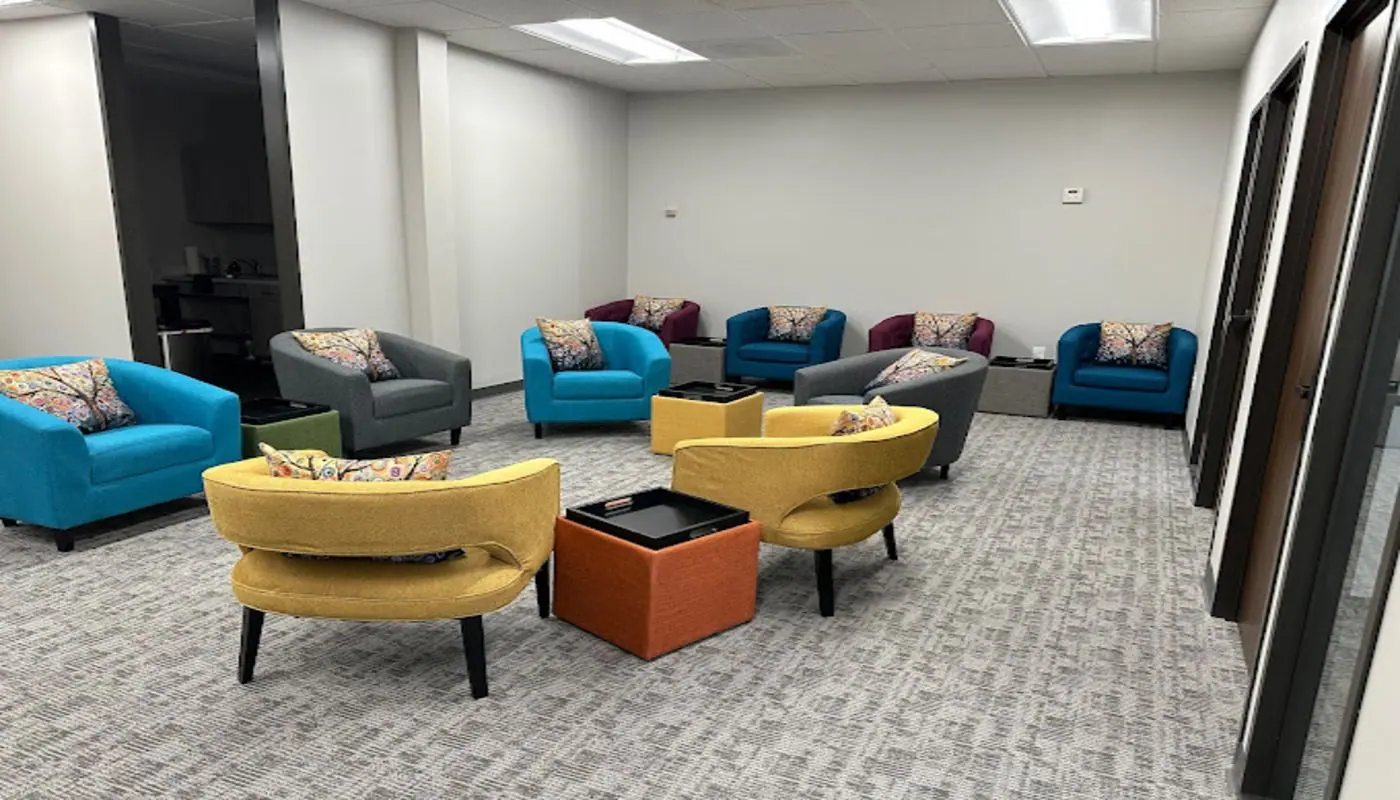
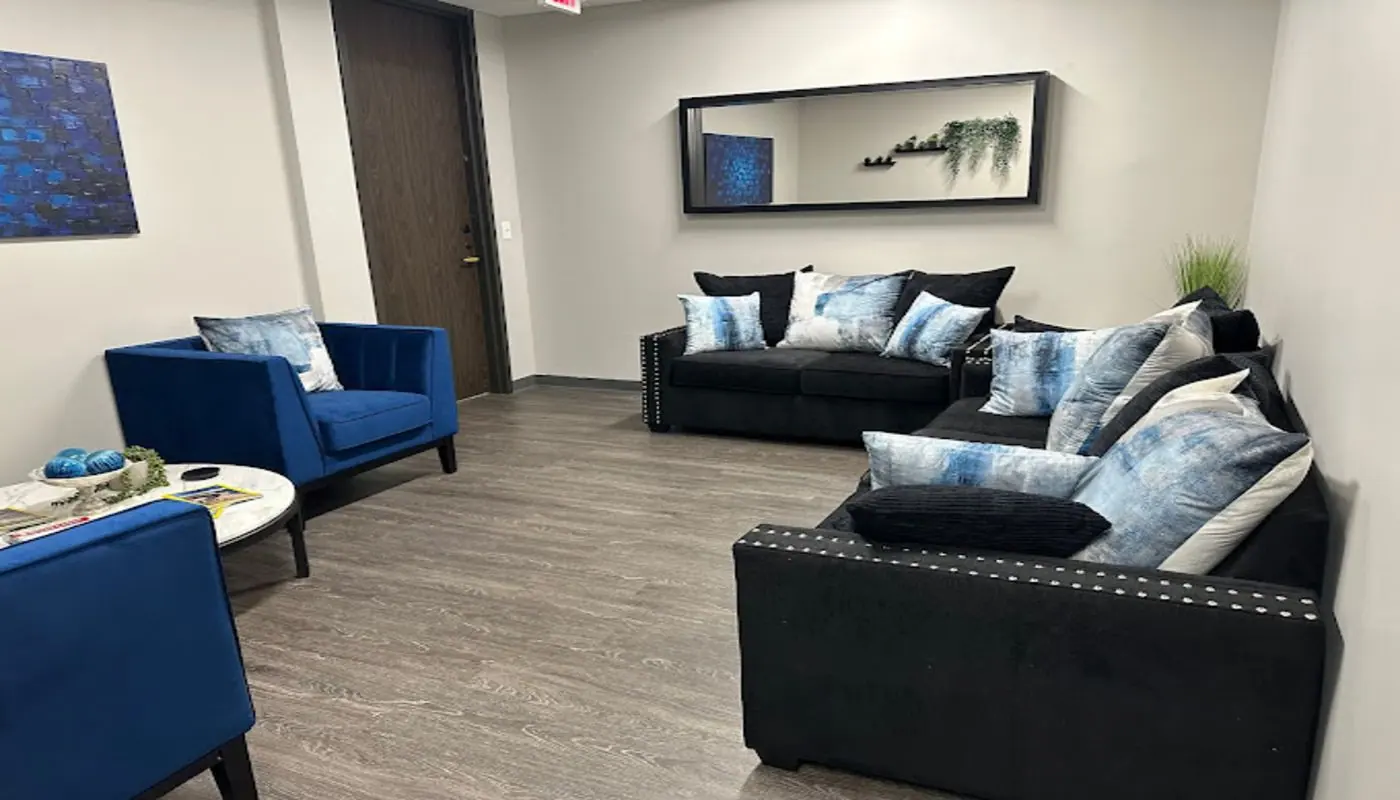
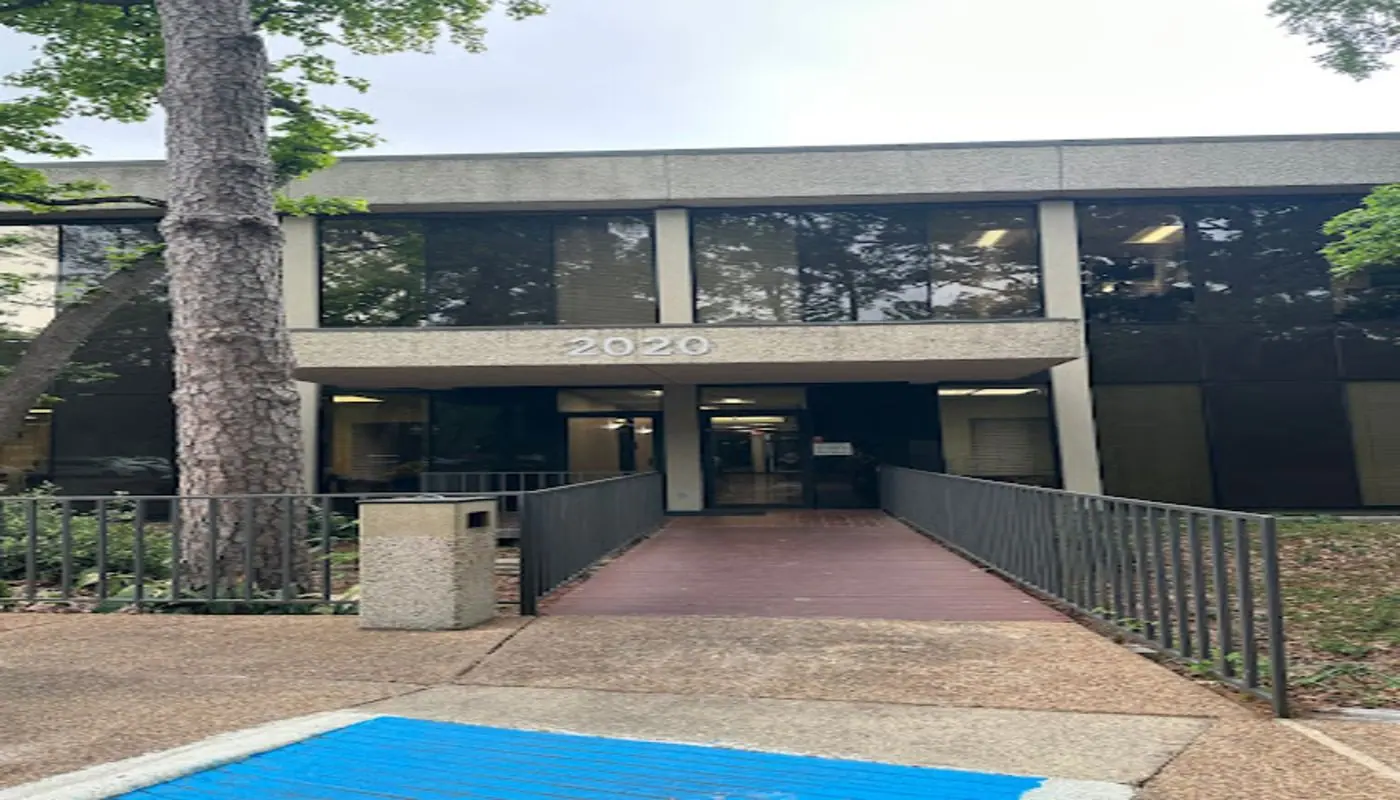
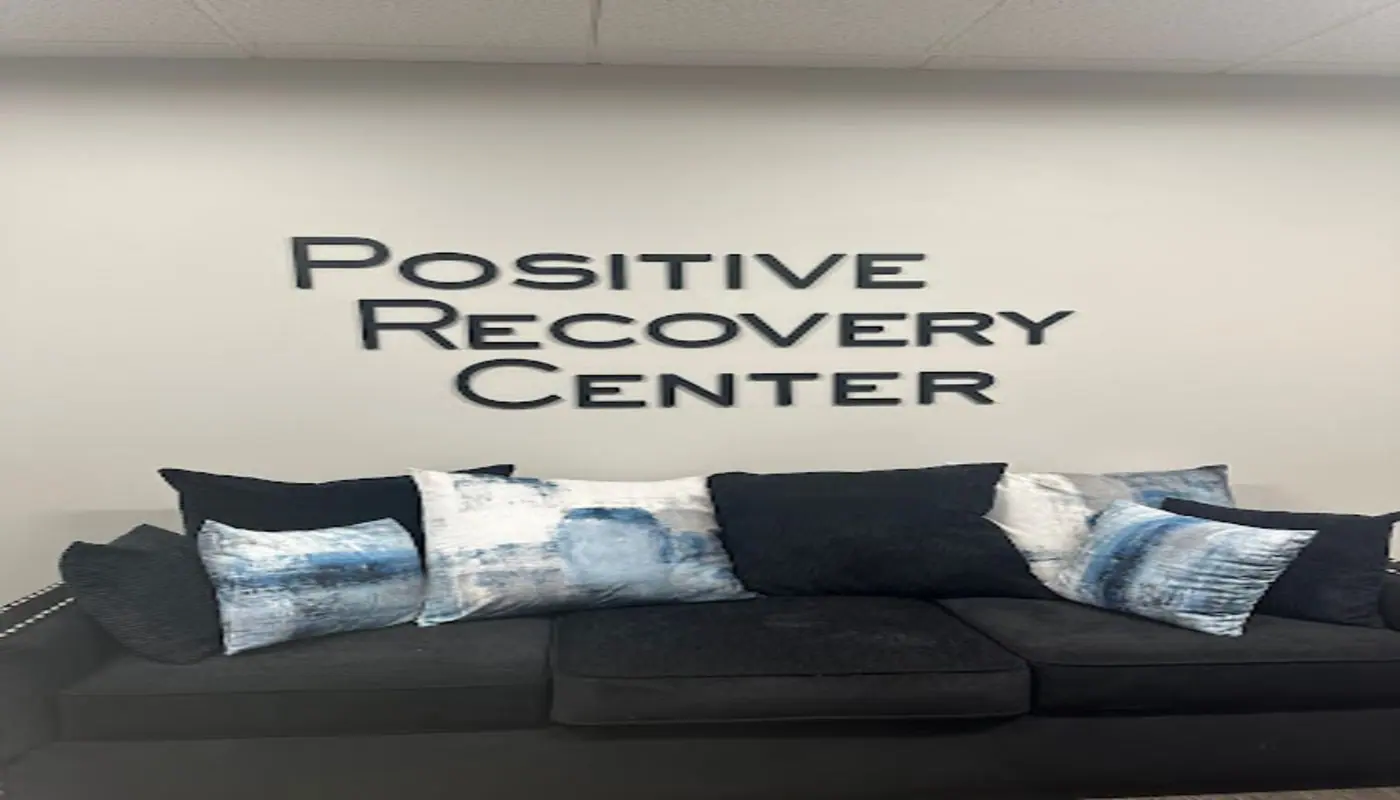
Located in Houston, Positive Recovery Center North Loop is an outpatient facility serving adults who are dealing with mental health needs together with substance use and mental health needs. Evidence-based methods form the basis of treatment, and family participation is woven into how the program is organized. The center describes a curriculum it calls positive recovery, combined with therapy and activities intended to help people see their own patterns and develop more stable habits.
Care here moves through several levels, from a partial hospitalization program down to supportive outpatient work, so someone can step down as they stabilize rather than leaving abruptly. The staff keeps medical oversight in the picture, and the site notes physician consultations in the more intensive level. Everything sits at one address on the North Loop, which keeps travel simple for people living nearby.
The center treats men and women in group settings and offers services in English and Spanish. Licensed clinicians handle counseling and therapy; the helpline connected to this page is separate from the center and does not provide treatment itself.
Positive recovery center north loop
Among the outpatient choices here, the partial hospitalization program is the most intensive, and the center calls it a step down from residential care. Each week, participants attend at least 20 hours of structured treatment and see a physician once weekly for possible medication management. It fits people who are leaving a residential program, or those who do not require monitoring at all hours yet still want frequent contact.
The intensive outpatient program runs roughly 9-12 hours weekly, with three or four meetings per week across about eight weeks, and sessions happen during daytime hours, in the evening, or online. People in it practice coping skills, learn ways to manage symptoms, focus on preventing relapse, and build support systems beyond the program. A supportive outpatient level built around individual counseling follows, and the center also provides day treatment and virtual therapy. Among the therapy approaches are cognitive behavioral therapy, dialectical behavior therapy, group and family counseling, art therapy, psychoeducation, stress management, and twelve step facilitation, plus activities such as yoga.
- Dialectical Behavior Therapy
- 1-on-1 Counseling
- Family Therapy
- Experiential
- Art Therapy
- Group Therapy
- Stress Management
- Medical
- Psychoeducation
- Cognitive Behavioral Therapy
Which patients this program suits
- Adults with a substance use disorder who do not need 24-hour monitoring
- People stepping down from residential treatment into structured outpatient care
- Men and women with co-occurring anxiety, depression, stress or trauma
- Individuals dealing with benzodiazepines, cocaine, heroin, marijuana, prescription drugs, psychedelics or synthetic drugs
- Relatives who would like to join workshops and counseling
- Spanish-speaking clients seeking services in their own language
Setting, size and languages in Houston
The center operates at 2020 N Loop W Ste. 200 in Houston and lists capacity for 31-50 beds. Its listing gives a typical program length of four days, while the intensive outpatient track runs about eight weeks, so the time someone stays depends on which level of care they enter. Services are available in spanish and english and yoga is one of the activities available.
Paying for treatment at North Loop
Among the payment options are cash pay rates the center lists, and what a person pays depends on the level of care they enter. This page does not publish insurance details, so reach out to the center or the helpline to confirm what your plan covers before you commit. As you compare programs, ask which levels take your plan and whether prior authorization is needed.
What to ask before admission in Houston
- Which level of care fits my situation, and how is that decided?
- Does the center take my insurance, and is prior authorization required?
- How many hours a week would I attend, and are evening or virtual sessions open to me?
- How does the center handle withdrawal risk if I need medical oversight?
- What aftercare follows discharge, including relapse prevention and support meetings?

Other centers in Houston
-
Elysian Treatment
Houston, TX30 days · 31-50 beds
- Co-Occurring Mental Health
- Outpatient
Located in the Heights neighborhood of Houston, Elysian Treatment is an outpatient facility.
Open facility -
- Joint Commission
- Residential Rehab
- Detox
Virtue Recovery Houston is a Joint Commission accredited center on S Gessner Rd.
Open facility -
- Co-Occurring Mental Health
- Detox
- Outpatient
This Bay Area Recovery Center Central Houston page covers a Texas outpatient program open since 1992.
Open facility -
- Joint Commission
- Outpatient
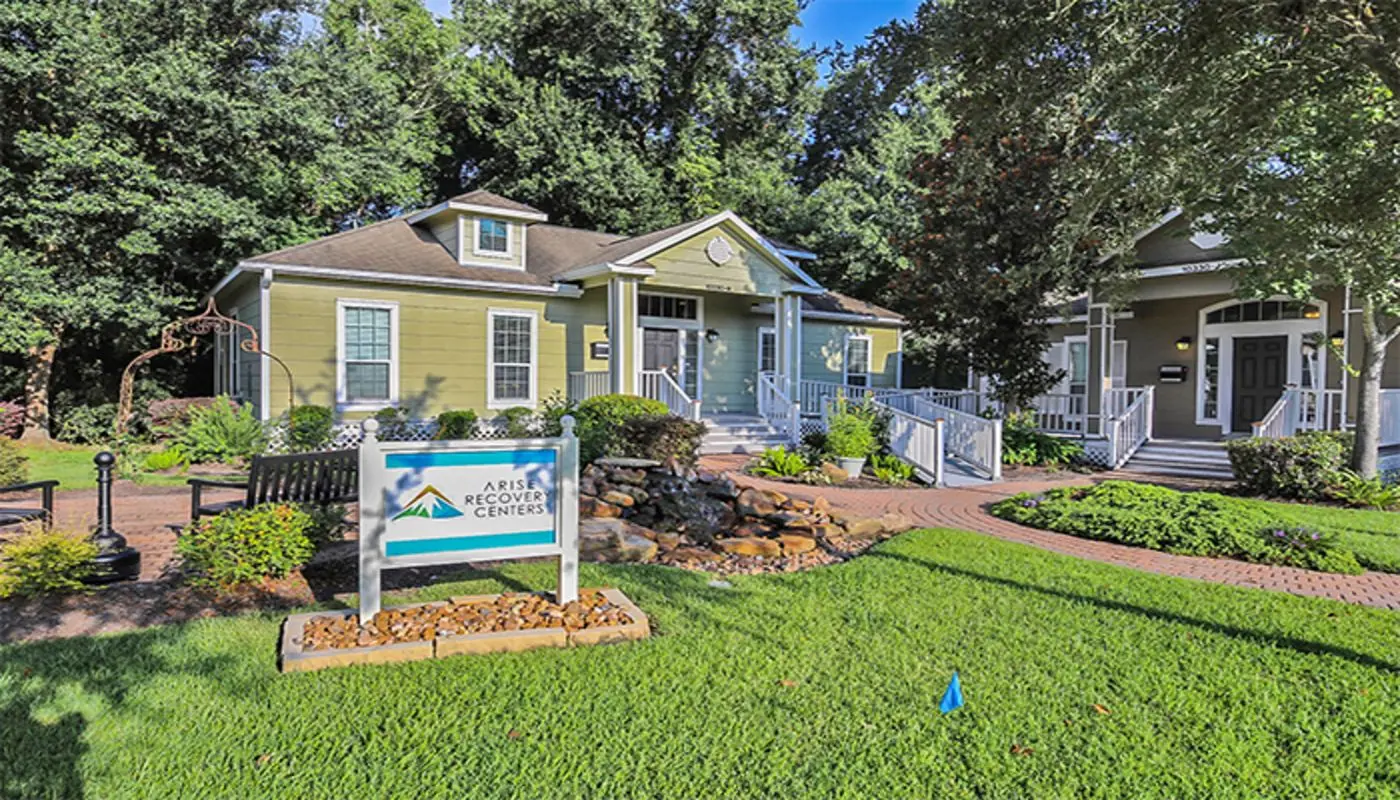
Arise Recovery Centers Houston runs outpatient care from Cypress.
Open facility -
- Outpatient
This is an outpatient mental health and addiction clinic on Katy Freeway in Houston.
Open facility -
- Joint Commission
- Sober Living
- Outpatient
Eudaimonia Recovery Homes Houston provides sober living for men.
Open facility

Common questions
Is Positive Recovery Center North Loop Houston an inpatient or outpatient facility?
Care at this center is outpatient. Listed services cover outpatient treatment and mental health needs alongside substance use, plus an intensive outpatient program a partial hospitalization program, and a supportive outpatient level. The partial hospitalization track calls for at least 20 hours of treatment weekly. Someone who needs 24-hour monitoring would first need a residential or detox setting elsewhere, and the helpline is able to help you evaluate the choices.
How long do people stay in programs at this center?
The listed typical program length is four days, but that figure likely reflects a short component rather than the full course. The intensive outpatient program runs about eight weeks at 9-12 hours weekly, and the partial hospitalization program is open-ended depending on progress. Ask the center directly how long your specific level of care would last.
Are mental health needs alongside substance use treated at this center?
Yes. Mental health needs alongside substance use is one of the two care options listed, and the conditions named are anxiety, depression, stress, and trauma. Therapy approaches feature cognitive behavioral therapy and dialectical behavior therapy, both used for co-occurring conditions. A clinical assessment decides whether the outpatient levels here can meet your needs or whether a higher level of care is warranted.
Can family members take part in treatment?
Family involvement is one of the center's stated approaches. Family therapy and family follow-up counseling appear among the services, and workshops are offered for family members. If relatives want to join sessions, ask the center how visits and workshops are scheduled and whether virtual attendance is possible for people who live outside Houston.
Does Positive Recovery Center North Loop Houston accept Medicaid or offer dual diagnosis care?
Medicaid does not appear among the cash pay rates and payment options the center lists, so ask about Medicaid directly. Dual diagnosis care is available through the co-occurring mental health track, which addresses anxiety, depression, stress, and trauma alongside substance use. Insurance has to be verified by phone before admission, and the helpline can help you check coverage.
Check availability at North Loop
Calling the helpline on this page costs nothing and stays private. Trained advisors answer around the clock, explain what the center offers, and help you confirm whether it fits your situation. They can check availability and coverage with you, and calling requires nothing of you. The center itself makes all admission decisions, and no outcome or coverage is promised here.